
Low-tech health education
Gamified learning research designed for low-resource settings in Ghana.

Indonesia-based research and advisory for Asia-Pacific and other Global South contexts.
Multidisciplinary scholar-practitioners with real-world experience, integrating sustainability science, AI, and governance into actionable solutions for communities and institutions.
ZATARA began with a shared concern among seven Indonesian doctoral researchers who met in Adelaide, Australia. Although our fields ranged from sustainable tourism and environmental science to chemistry, engineering, agricultural hydrology, and educational technology, we kept seeing the same problem: research, policy, and implementation often operated separately. Decisions affecting communities and institutions were not always informed by robust evidence or a practical understanding of local conditions.
We founded ZATARA Global Consultancy to help close that gap. Our work brings together research expertise and decades of professional experience to help governments, institutions, businesses, and communities understand complex problems, make sound decisions, and put those decisions into practice. We are based in Indonesia, work across Asia-Pacific, and contribute where our expertise is relevant to other Global South contexts.
Our founders have worked in government, industry, universities, research institutions, and community development. Their experience includes tourism policy, power plant operations, environmental management, agricultural research, digital systems, and applied science. This combination shapes how ZATARA works: academically rigorous, attentive to context, and realistic about what implementation requires.
To become a trusted research and advisory partner, grounded in Indonesia and working across Asia-Pacific and other Global South contexts.
Delivering rigorous, evidence-based research and consultancy services that empower governments, institutions, and communities to achieve measurable development outcomes.
Integrating environmental, social, and governance dimensions into actionable development frameworks.
Leveraging artificial intelligence and digital innovation across education, industry, and public policy, with attention to the cultural dimensions of technological change.
Strengthening institutional capacity through evidence-based policy research and evaluation.
Seven integrated practice lines, each led by a doctoral specialist with practitioner experience in the field. What sets us apart is the ability to combine them in a single engagement.
Environmental documentation, waste systems, and remediation grounded in field evidence.
Water balance, sanitation planning, and climate-smart agricultural water systems.
Energy efficiency, plant optimisation, and infrastructure feasibility from operator experience.
Spatial evidence and institutional design for regions, destinations, and tourism villages.
Data systems, applied AI, and digital learning built for institutions that must maintain them.
Rigorous method applied to policy questions that need a defensible answer.
Conferences, incentive programmes, and corporate events designed to leave measurable results behind.
Tell us the outcome, timeframe, geography, and evidence you have. We will propose a focused scope.
Discuss your projectA selection of research and advisory work across education, tourism, and public-interest development.
Gamified learning research designed for low-resource settings in Ghana.
Market design and policy support for special-interest tourism and MICE in Indonesia.
Community-centred tourism development work for Raja Ampat.
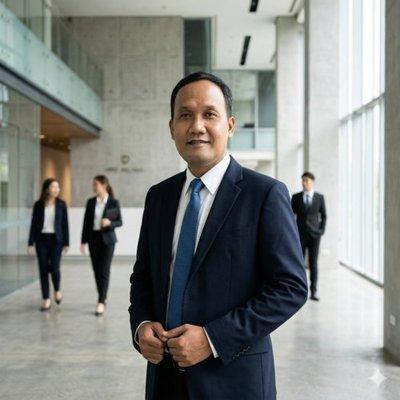
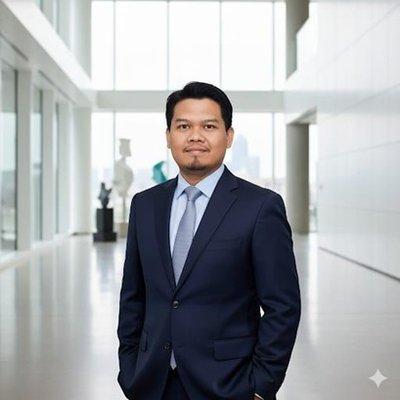
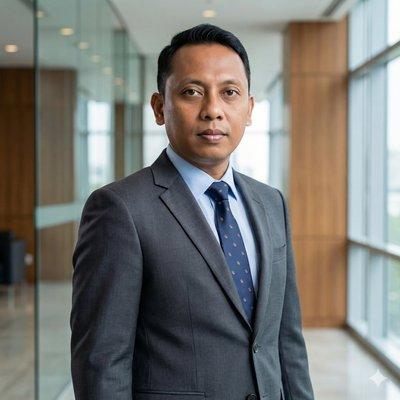
Six doctoral-qualified scholar-practitioners united by a commitment to evidence-based impact.



Ready to transform evidence into action? Let us discuss how ZATARA can support your objectives.
Bojong Indah 163, Cibeunying
Cimenyan, Bandung Regency
West Java 40191, Indonesia
From our operational base in Indonesia, we serve government agencies, state-owned enterprises, international NGOs, donor organisations, research institutions, and responsible businesses across Asia-Pacific and other Global South contexts.